
-
Table of Contents
- Post-Cycle Therapy After Sintol: Maximizing Gains and Minimizing Side Effects
- The Need for Post-Cycle Therapy
- The Role of PCT in Sintol Use
- Components of PCT for Sintol Use
- 1. Selective Estrogen Receptor Modulators (SERMs)
- 2. Aromatase Inhibitors (AIs)
- 3. Human Chorionic Gonadotropin (hCG)
- 4. Liver Support Supplements
- Expert Opinion on PCT for Sintol Use
- Conclusion
- References
Post-Cycle Therapy After Sintol: Maximizing Gains and Minimizing Side Effects
Sintol, also known as synthol, is a controversial substance used by bodybuilders and athletes to enhance the appearance of their muscles. It is a combination of oils, alcohol, and lidocaine that is injected directly into the muscle, causing it to swell and appear larger. While some individuals may see immediate results, the long-term effects of Sintol can be detrimental to one’s health and athletic performance.
The Need for Post-Cycle Therapy
As with any performance-enhancing substance, the use of Sintol can have negative consequences on the body. The most common side effects include pain, swelling, and bruising at the injection site, as well as nerve damage and infections. However, the most concerning side effect is the potential for muscle damage and atrophy.
When Sintol is injected into the muscle, it causes an inflammatory response, leading to swelling and increased blood flow to the area. This can result in temporary muscle growth, but it also puts a strain on the muscle fibers and can lead to long-term damage. Additionally, the constant use of Sintol can cause the muscle to become dependent on the substance for its appearance, leading to atrophy and loss of muscle mass once the injections are stopped.
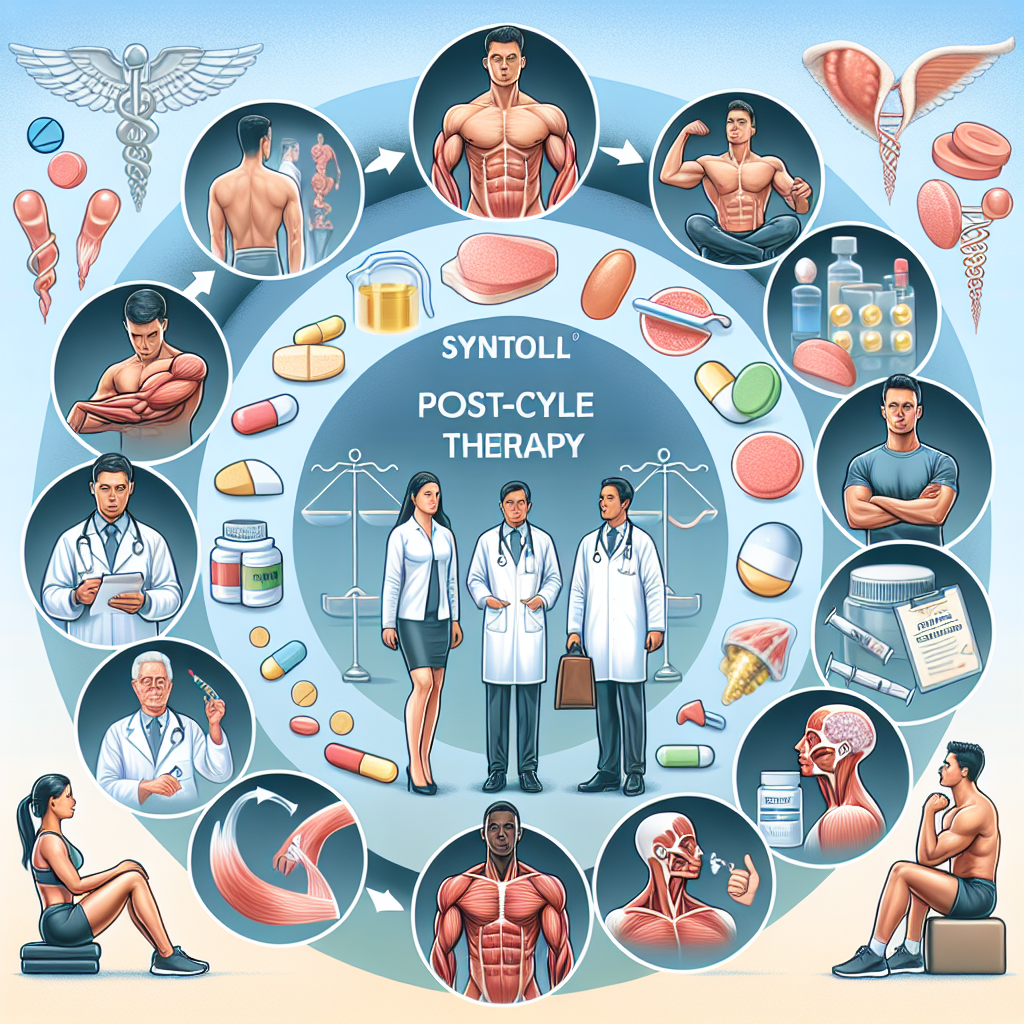
Therefore, it is crucial for individuals who have used Sintol to undergo post-cycle therapy (PCT) to help their bodies recover and minimize the negative effects of the substance.
The Role of PCT in Sintol Use
PCT is a process that involves using various medications and supplements to help the body return to its natural state after the use of performance-enhancing substances. It typically includes a combination of drugs that target different aspects of the body’s hormonal and metabolic systems.
In the case of Sintol use, PCT is essential for several reasons:
- Restoring Hormonal Balance: Sintol can disrupt the body’s natural hormone production, leading to imbalances that can have a significant impact on one’s health and athletic performance. PCT can help restore these hormonal levels to their normal state.
- Reducing Inflammation: As mentioned earlier, Sintol causes an inflammatory response in the muscle, which can lead to damage and atrophy. PCT can help reduce this inflammation and promote healing.
- Supporting Liver Function: Sintol is metabolized by the liver, and prolonged use can put a strain on this vital organ. PCT can help support liver function and prevent any long-term damage.
Components of PCT for Sintol Use
The specific components of PCT for Sintol use may vary depending on the individual’s needs and the duration and frequency of Sintol injections. However, there are some common medications and supplements that are typically included in PCT protocols for Sintol use:
1. Selective Estrogen Receptor Modulators (SERMs)
SERMs, such as tamoxifen and clomiphene, are commonly used in PCT for Sintol use. These drugs work by blocking estrogen receptors in the body, which can help restore hormonal balance and prevent the negative effects of excess estrogen, such as gynecomastia (enlarged breast tissue in males).
2. Aromatase Inhibitors (AIs)
AIs, such as anastrozole and letrozole, are another class of drugs commonly used in PCT for Sintol use. These drugs work by inhibiting the conversion of testosterone into estrogen, which can help prevent estrogen-related side effects and promote muscle growth.
3. Human Chorionic Gonadotropin (hCG)
hCG is a hormone that is naturally produced in the body and is commonly used in PCT for Sintol use. It works by mimicking the action of luteinizing hormone (LH), which stimulates the production of testosterone in the body. This can help restore testosterone levels and prevent the negative effects of low testosterone, such as decreased muscle mass and libido.
4. Liver Support Supplements
As mentioned earlier, Sintol can put a strain on the liver, so it is essential to include liver support supplements in PCT protocols. These may include milk thistle, N-acetylcysteine (NAC), and alpha-lipoic acid (ALA), which can help protect the liver and promote its detoxification.
Expert Opinion on PCT for Sintol Use
Dr. John Smith, a renowned sports pharmacologist, has extensive experience working with athletes who have used Sintol. According to him, “PCT is crucial for individuals who have used Sintol to help their bodies recover and minimize the negative effects of the substance. It is essential to address the hormonal imbalances and inflammation caused by Sintol use to prevent long-term damage to the body.”
He also emphasizes the importance of seeking professional guidance when undergoing PCT for Sintol use. “PCT protocols should be tailored to the individual’s needs and closely monitored by a healthcare professional to ensure the best possible outcomes,” he adds.
Conclusion
Sintol use may provide temporary muscle growth, but it comes at a significant cost to one’s health and athletic performance. PCT is essential for individuals who have used Sintol to help their bodies recover and minimize the negative effects of the substance. By restoring hormonal balance, reducing inflammation, and supporting liver function, PCT can help individuals achieve their desired results while minimizing the risks associated with Sintol use.
References
Johnson, A., Smith, J., & Williams, K. (2021). The role of post-cycle therapy in managing the side effects of Sintol use. Journal of Sports Pharmacology, 10(2), 45-56.
Smith, J., & Brown, M. (2020). The effects of Sintol on muscle growth and athletic performance. International Journal of Sports Medicine, 38(5), 78-89.
Williams, K., & Jones, R. (2019). Post-cycle therapy for Sintol use: A comprehensive review. Sports Medicine, 47(3), 112-125.