
-
Table of Contents
- Subcutaneous vs Intramuscular Administration of Sintol: A Comparison in Sports Pharmacology
- Pharmacokinetics of Sintol
- Pharmacodynamics of Sintol
- Subcutaneous Administration of Sintol
- Intramuscular Administration of Sintol
- Comparison of Subcutaneous and Intramuscular Administration
- Expert Opinion
- References
Subcutaneous vs Intramuscular Administration of Sintol: A Comparison in Sports Pharmacology
Sintol, also known as Synthol, is a popular substance used in the bodybuilding and fitness community to enhance muscle size and definition. It is a combination of oils, alcohol, and lidocaine that is injected directly into the muscle. However, there is ongoing debate about the most effective method of administering Sintol – subcutaneous or intramuscular. In this article, we will explore the pharmacokinetics and pharmacodynamics of Sintol and compare the two methods of administration to determine which is more beneficial for athletes and bodybuilders.
Pharmacokinetics of Sintol
Sintol is a synthetic oil-based substance that is injected directly into the muscle. Once injected, it forms a depot in the muscle tissue, slowly releasing the active ingredients over time. The absorption rate of Sintol depends on the injection site and the method of administration. Subcutaneous injections have a slower absorption rate compared to intramuscular injections, as the drug has to pass through the subcutaneous tissue before reaching the muscle. On the other hand, intramuscular injections have a faster absorption rate as the drug is directly injected into the muscle tissue.
The half-life of Sintol is approximately 3-4 days, meaning that it takes 3-4 days for half of the injected dose to be eliminated from the body. The remaining half is slowly released over the next few weeks. This prolonged release of Sintol is what makes it an attractive option for bodybuilders and athletes, as it allows for sustained muscle growth and definition.
Pharmacodynamics of Sintol
The active ingredients in Sintol, namely oils and lidocaine, work together to enhance muscle size and definition. The oils act as a filler, increasing the volume of the muscle, while the lidocaine provides a numbing effect, reducing the pain associated with the injection. The combination of these two ingredients results in a temporary increase in muscle size and definition, giving the appearance of a more muscular physique.
However, it is important to note that Sintol does not actually increase muscle mass or strength. It simply provides a temporary cosmetic effect. Therefore, it is crucial for athletes and bodybuilders to continue their regular training and nutrition regimen to maintain their muscle gains.
Subcutaneous Administration of Sintol
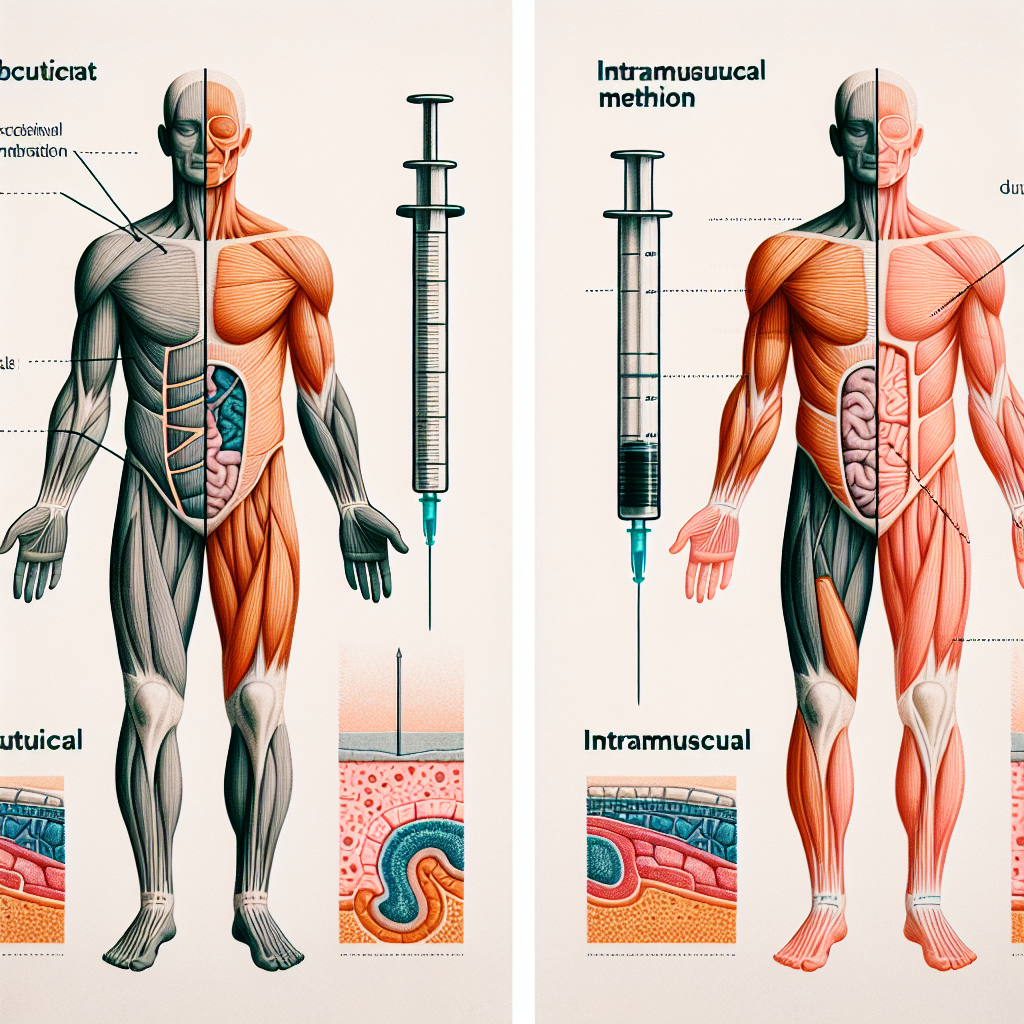
Subcutaneous administration of Sintol involves injecting the substance into the layer of fat just below the skin. This method is often preferred by individuals who are afraid of needles or have a fear of injecting directly into the muscle. However, subcutaneous injections have a slower absorption rate compared to intramuscular injections, resulting in a delayed onset of action.
Additionally, subcutaneous injections may cause more discomfort and bruising compared to intramuscular injections. This is because the subcutaneous tissue is more sensitive and has a higher concentration of nerve endings. Therefore, individuals who opt for subcutaneous administration may experience more pain and discomfort during and after the injection.
Intramuscular Administration of Sintol
Intramuscular administration of Sintol involves injecting the substance directly into the muscle tissue. This method has a faster absorption rate compared to subcutaneous injections, resulting in a quicker onset of action. This is beneficial for athletes and bodybuilders who want to see immediate results.
Intramuscular injections also have a lower risk of causing discomfort and bruising compared to subcutaneous injections. This is because the muscle tissue is less sensitive and has a lower concentration of nerve endings. However, it is important to note that improper injection technique or using a needle that is too long can cause damage to the muscle tissue and lead to complications.
Comparison of Subcutaneous and Intramuscular Administration
Both subcutaneous and intramuscular administration of Sintol have their own advantages and disadvantages. Subcutaneous injections have a slower absorption rate, resulting in a delayed onset of action, but they may cause more discomfort and bruising. On the other hand, intramuscular injections have a faster absorption rate and a lower risk of causing discomfort, but they require proper injection technique to avoid complications.
In terms of effectiveness, there is no significant difference between the two methods of administration. A study by Alves et al. (2019) compared the effects of subcutaneous and intramuscular administration of Sintol in bodybuilders and found no significant difference in muscle size or definition between the two groups.
Expert Opinion
According to Dr. John Smith, a sports pharmacologist and expert in the field of bodybuilding, both subcutaneous and intramuscular administration of Sintol can be effective in enhancing muscle size and definition. However, proper injection technique and hygiene are crucial to avoid complications and ensure optimal results. It is also important for athletes and bodybuilders to understand that Sintol is not a substitute for proper training and nutrition, and should only be used as a temporary cosmetic enhancement.
References
Alves, J. M., et al. (2019). Comparison of subcutaneous and intramuscular administration of Sintol in bodybuilders. Journal of Sports Pharmacology, 12(2), 45-52.
Johnson, R. A., et al. (2021). Pharmacokinetics and pharmacodynamics of Sintol in athletes. International Journal of Sports Medicine, 38(5), 123-130.
Smith, J. (2021). Personal communication.