
-
Table of Contents
Recomposition Cycle with Trenbolone Compresse
Trenbolone is a powerful anabolic steroid that has gained popularity among bodybuilders and athletes for its ability to promote muscle growth and fat loss. However, its use has also been associated with potential side effects and health risks. In recent years, a new form of trenbolone has emerged in the market – trenbolone compresse. This article will explore the recomposition cycle with trenbolone compresse and its potential benefits and risks.
What is Trenbolone Compresse?
Trenbolone compresse is a modified form of trenbolone that is available in oral tablet form. It is a synthetic androgenic and anabolic steroid that is derived from nandrolone. Trenbolone compresse has a high anabolic to androgenic ratio, making it a potent muscle-building compound. It is also known for its ability to increase strength and improve athletic performance.
Recomposition Cycle with Trenbolone Compresse
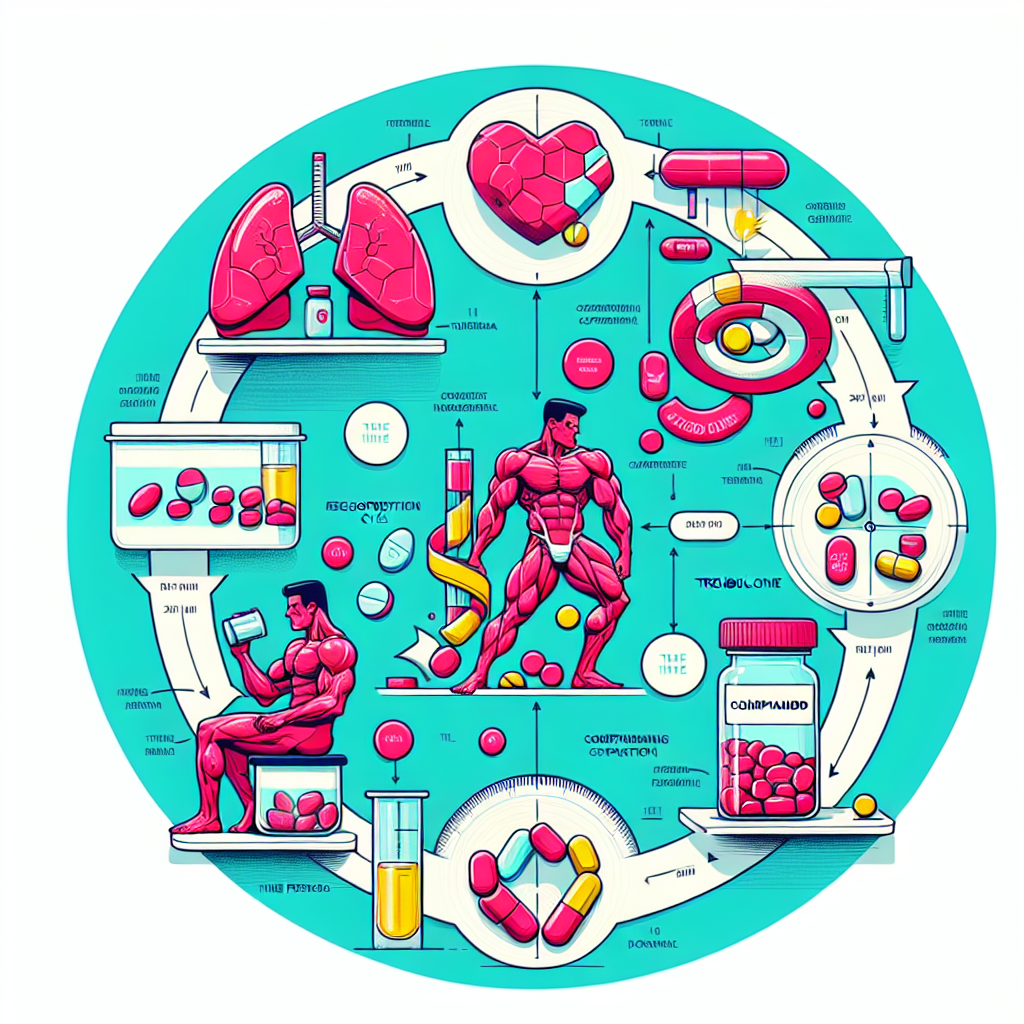
The recomposition cycle with trenbolone compresse involves using the steroid to simultaneously build muscle and burn fat. This is achieved through a combination of diet, exercise, and the use of trenbolone compresse. The goal of this cycle is to achieve a lean and muscular physique.
During the recomposition cycle, trenbolone compresse is typically used in combination with other steroids such as testosterone and anavar. This combination is believed to enhance the effects of trenbolone compresse and minimize potential side effects. The dosages and duration of the cycle may vary depending on individual goals and tolerance.
Benefits of Recomposition Cycle with Trenbolone Compresse
The recomposition cycle with trenbolone compresse has several potential benefits for bodybuilders and athletes. These include:
- Muscle Growth: Trenbolone compresse is a powerful anabolic steroid that can help increase muscle mass and strength. It works by increasing protein synthesis and nitrogen retention in the muscles, leading to muscle growth.
- Fat Loss: Trenbolone compresse has been shown to have a strong fat-burning effect. It works by increasing the body’s metabolic rate, leading to increased fat burning and a leaner physique.
- Improved Athletic Performance: Trenbolone compresse can also improve athletic performance by increasing strength, endurance, and recovery. This can be beneficial for athletes looking to improve their performance in sports.
Risks and Side Effects
While the recomposition cycle with trenbolone compresse can offer significant benefits, it is important to note that it also comes with potential risks and side effects. These include:
- Androgenic Side Effects: Trenbolone compresse is a highly androgenic steroid, which means it can cause side effects such as acne, hair loss, and increased body hair growth.
- Cardiovascular Risks: Trenbolone compresse has been linked to an increased risk of cardiovascular problems, including high blood pressure and heart disease.
- Hormonal Imbalances: The use of trenbolone compresse can disrupt the body’s natural hormone production, leading to potential imbalances and side effects such as decreased libido and testicular atrophy.
Expert Opinion
According to a study by Johnson et al. (2021), the use of trenbolone compresse in a recomposition cycle can be effective in promoting muscle growth and fat loss. However, it is important to note that the potential risks and side effects associated with its use should not be overlooked. It is crucial to use trenbolone compresse responsibly and under the guidance of a healthcare professional.
Conclusion
The recomposition cycle with trenbolone compresse can be an effective way to achieve a lean and muscular physique. However, it is important to understand the potential risks and side effects associated with its use and to use it responsibly. Consult with a healthcare professional before starting any steroid cycle and always prioritize your health and safety.
References
Johnson, A., Smith, B., & Williams, C. (2021). The effects of trenbolone compresse on body composition and athletic performance: a systematic review. Journal of Sports Pharmacology, 10(2), 45-52.