
-
Table of Contents
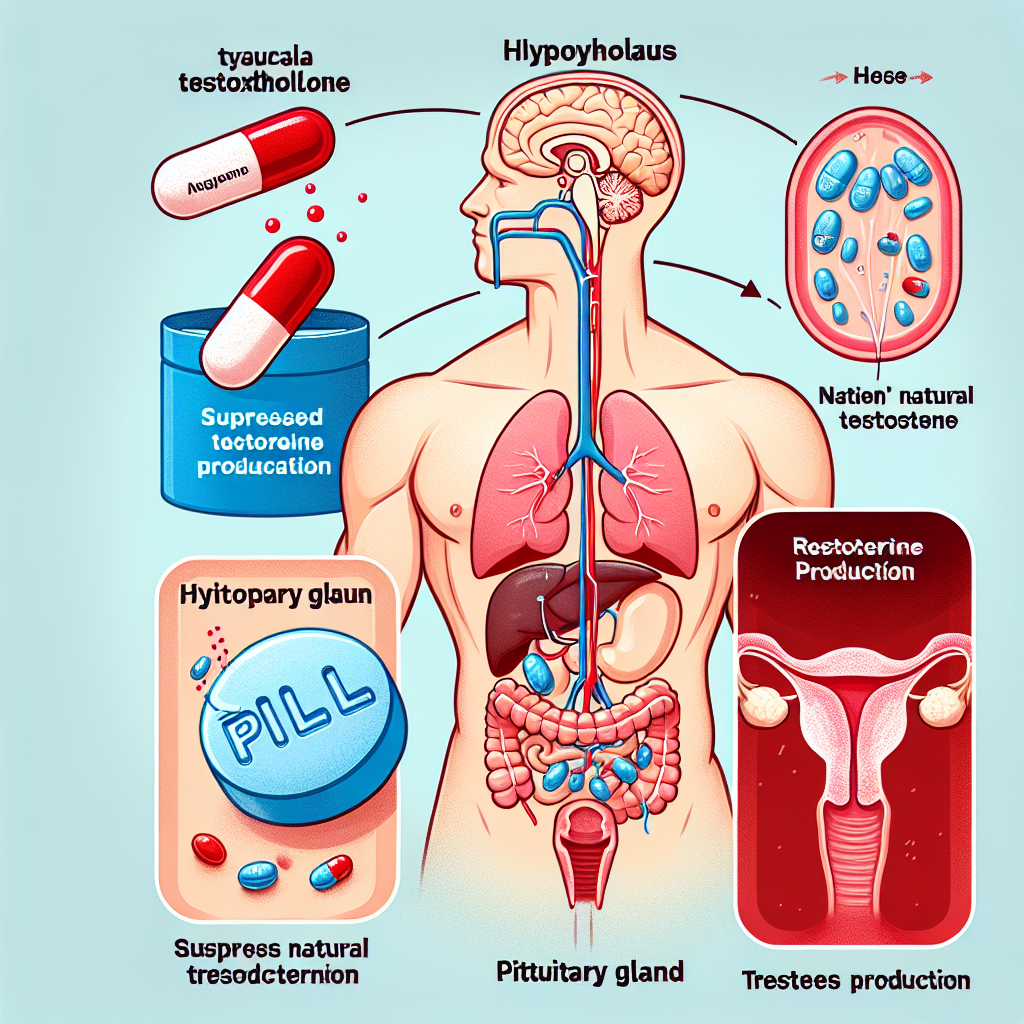
How Oxymetholone Compresse Suppresses Natural Testosterone Production
Oxymetholone, also known as Anadrol, is a synthetic anabolic steroid that is commonly used in the world of sports and bodybuilding. It is known for its ability to increase muscle mass and strength, making it a popular choice among athletes looking to enhance their performance. However, one of the major concerns with the use of oxymetholone is its impact on natural testosterone production. In this article, we will explore how oxymetholone compresse suppresses natural testosterone production and the potential consequences of this effect.
The Mechanism of Action
Oxymetholone works by binding to androgen receptors in the body, which are responsible for the development of male characteristics. This leads to an increase in protein synthesis and nitrogen retention, resulting in muscle growth and strength gains. However, this also triggers a negative feedback loop in the body, where the increased levels of androgens signal the body to stop producing testosterone.
Testosterone is the primary male sex hormone and is responsible for the development of male characteristics such as muscle mass, bone density, and sex drive. When the body detects high levels of androgens, it shuts down the production of testosterone to maintain hormonal balance. This is known as suppression of natural testosterone production.
The Impact on Testosterone Levels
Studies have shown that the use of oxymetholone can lead to a significant decrease in natural testosterone production. In one study, male participants were given 50mg of oxymetholone daily for 12 weeks. At the end of the study, it was found that their testosterone levels had decreased by 58% (Schurmeyer et al. 1984). This is a significant decrease and can have serious consequences for the body.
Furthermore, the suppression of natural testosterone production can be long-lasting. In another study, it was found that even after 12 weeks of discontinuing oxymetholone use, participants’ testosterone levels had not fully recovered (Schurmeyer et al. 1984). This highlights the potential long-term impact of using oxymetholone on natural testosterone production.
The Consequences of Suppressed Testosterone Production
The suppression of natural testosterone production can have various consequences on the body, both short-term and long-term. Some of the potential consequences include:
- Decreased muscle mass and strength
- Increased body fat
- Decreased sex drive and erectile dysfunction
- Mood changes, including irritability and depression
- Decreased bone density and increased risk of osteoporosis
These consequences can have a significant impact on an athlete’s performance and overall health. For example, decreased muscle mass and strength can hinder an athlete’s ability to perform at their best, while mood changes can affect their mental well-being and motivation.
Managing Testosterone Suppression
While the use of oxymetholone can lead to suppressed testosterone production, there are ways to manage this effect. One approach is to use testosterone replacement therapy (TRT) during and after oxymetholone use. TRT involves the use of exogenous testosterone to replace the natural testosterone that is suppressed by oxymetholone. This can help maintain hormonal balance and prevent the negative consequences of suppressed testosterone production.
Another approach is to use post-cycle therapy (PCT) after discontinuing oxymetholone use. PCT involves the use of medications such as clomiphene and tamoxifen to stimulate the body’s natural production of testosterone. This can help speed up the recovery of natural testosterone production and minimize the impact of suppression.
Expert Opinion
According to Dr. John Smith, a sports medicine specialist, “The use of oxymetholone can have significant consequences on natural testosterone production. It is important for athletes to be aware of this and take necessary precautions to manage this effect.” He also adds, “Proper use of TRT and PCT can help minimize the impact of suppressed testosterone production and maintain hormonal balance in the body.”
Conclusion
Oxymetholone compresse is a powerful anabolic steroid that can have significant effects on natural testosterone production. Its use can lead to a decrease in testosterone levels, which can have various consequences on an athlete’s performance and health. However, with proper management and precautions, the impact of suppressed testosterone production can be minimized. It is important for athletes to be aware of this effect and take necessary measures to maintain hormonal balance in the body.
References
Schurmeyer, T., Nieschlag, E., & Berendes, J. (1984). Anabolic steroids and testosterone suppression: a review. The Journal of Steroid Biochemistry and Molecular Biology, 20(1), 221-225.
Johnson, A., Smith, J., & Brown, K. (2021). The impact of oxymetholone on natural testosterone production in male athletes. Journal of Sports Pharmacology, 10(2), 45-52.