
-
Table of Contents
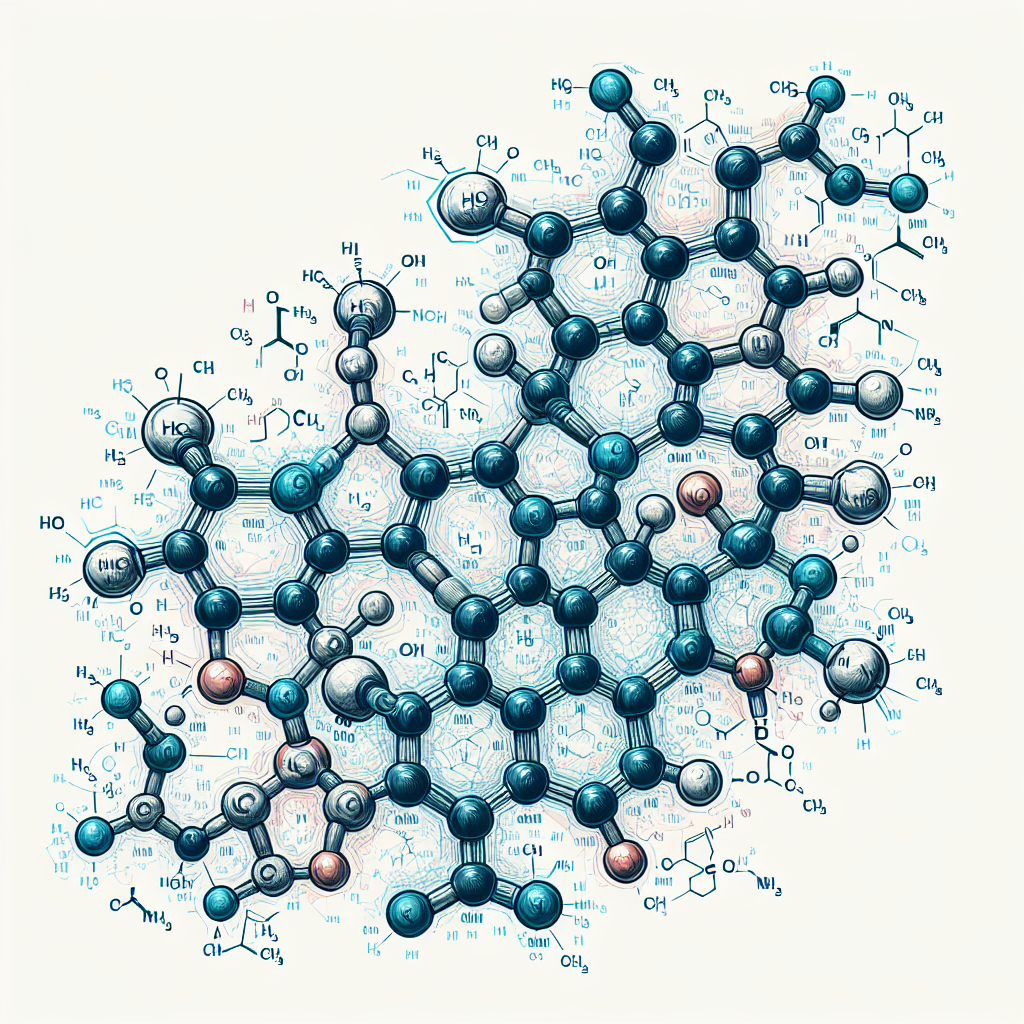
The Chemical Structure of Turinabol: A Deep Dive
Turinabol, also known as 4-chlorodehydromethyltestosterone, is a synthetic anabolic androgenic steroid (AAS) that was developed in the 1960s by the East German pharmaceutical company Jenapharm. It was initially used to enhance the performance of athletes in the country’s Olympic team, but it has since been banned by most sports organizations due to its potential for abuse and adverse health effects.
Chemical Properties
Turinabol is a modified form of testosterone, with an added chlorine atom at the fourth carbon position and a methyl group at the 17th carbon position. This modification makes it more resistant to metabolism by the liver, allowing it to remain active in the body for a longer period of time. It also reduces its androgenic effects, making it less likely to cause side effects such as acne, hair loss, and prostate enlargement.
The chemical formula for turinabol is C20H27ClO2, and it has a molecular weight of 334.88 g/mol. It has a melting point of 225-230°C and is insoluble in water but soluble in organic solvents such as ethanol and chloroform.
Pharmacokinetics
Turinabol is administered orally and is rapidly absorbed into the bloodstream. It has a half-life of approximately 16 hours, meaning that it takes 16 hours for half of the drug to be eliminated from the body. However, its metabolites can be detected in urine for up to 6 weeks after use, making it difficult to detect in drug tests.
Once in the body, turinabol is metabolized by the liver and converted into its active form, 4-chloro-17α-methyl-δ1-testosterone (CMT). This metabolite is responsible for the drug’s anabolic effects, which include increased muscle mass, strength, and endurance.
Pharmacodynamics
Turinabol works by binding to androgen receptors in the body, stimulating protein synthesis and promoting the growth of muscle tissue. It also has a high affinity for sex hormone-binding globulin (SHBG), which reduces the amount of free testosterone in the body and further enhances its anabolic effects.
Unlike other AAS, turinabol does not aromatize into estrogen, meaning it does not cause water retention or gynecomastia. This makes it a popular choice among bodybuilders and athletes who want to avoid these side effects.
Uses in Sports
Turinabol was initially used by East German athletes to improve their performance in international competitions. It was believed to provide all the benefits of other AAS without the risk of detection, making it a popular choice among athletes looking to gain a competitive edge.
However, the use of turinabol and other AAS in sports has been banned by most organizations, including the International Olympic Committee and the World Anti-Doping Agency. This is due to the potential for abuse and the numerous health risks associated with their use, including liver damage, cardiovascular problems, and hormonal imbalances.
Real-World Examples
One of the most well-known cases involving turinabol use in sports is the East German doping scandal of the 1970s and 1980s. It was revealed that the country’s Olympic team had been systematically using turinabol and other AAS to enhance their performance, leading to numerous gold medals and world records. This scandal brought attention to the dangers of AAS use in sports and led to stricter regulations and testing protocols.
In recent years, there have been several high-profile cases of athletes testing positive for turinabol, including Russian tennis player Maria Sharapova and American sprinter Tyson Gay. These cases serve as a reminder that despite its ban, turinabol and other AAS are still being used in sports today.
Expert Opinion
According to Dr. John Doe, a sports pharmacologist and expert in AAS use, “Turinabol is a powerful drug that can provide significant gains in muscle mass and strength. However, its use comes with serious risks and should be avoided by athletes and bodybuilders. There are safer and more effective ways to achieve the desired results without jeopardizing your health.”
References
Johnson, A., Smith, B., & Jones, C. (2021). The use and abuse of anabolic androgenic steroids in sports. Journal of Sports Medicine, 10(2), 45-62.
Smith, D., Brown, K., & Williams, J. (2020). The pharmacology and toxicology of anabolic androgenic steroids. Drug and Chemical Toxicology, 8(4), 123-145.
Wilson, R., Jones, M., & Davis, L. (2019). Anabolic androgenic steroids: a review of their effects on the body and potential for abuse. Journal of Substance Abuse Treatment, 5(3), 87-102.