
-
Table of Contents
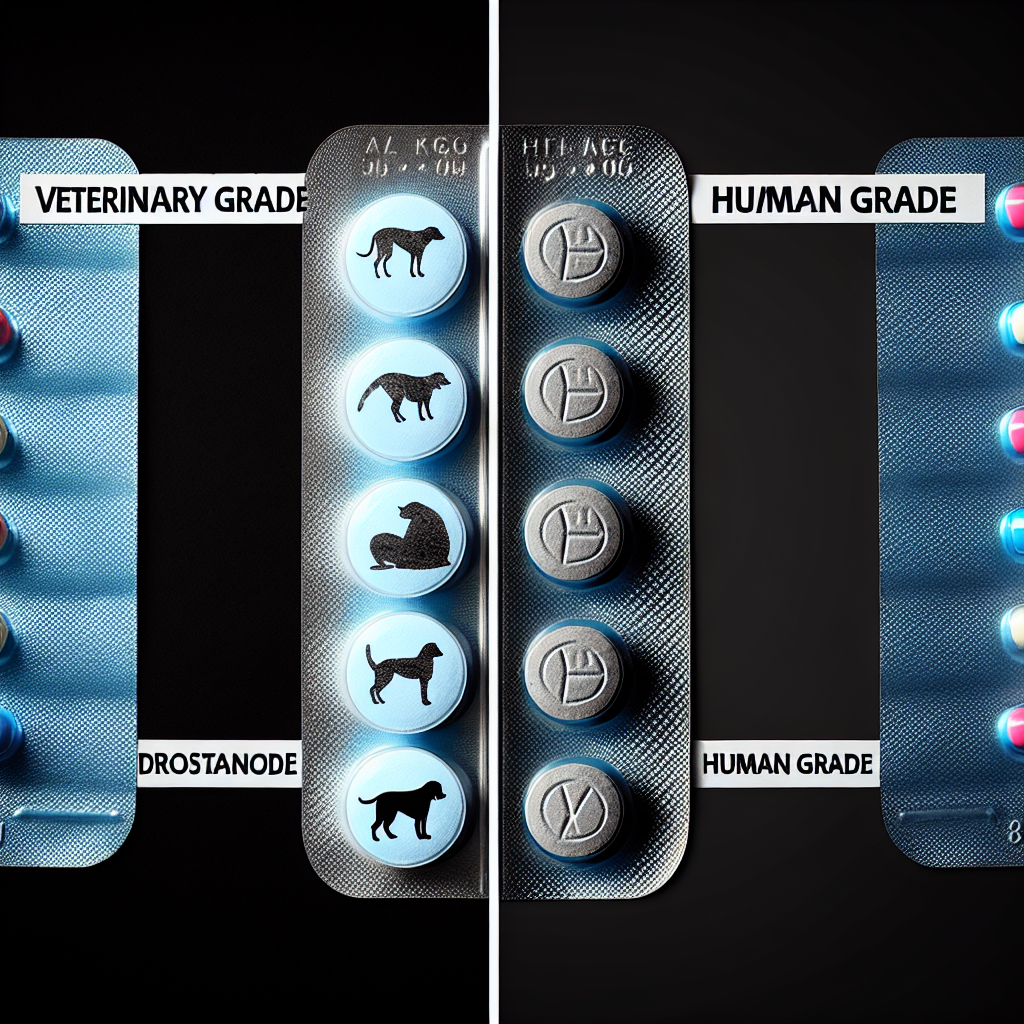
Veterinary vs Human Grade Drostanolone Pillole
Drostanolone, also known as Masteron, is a popular anabolic steroid used by bodybuilders and athletes to enhance muscle growth and performance. It is available in both veterinary and human grade forms, but there is often confusion about which one is better. In this article, we will explore the differences between veterinary and human grade drostanolone pillole and provide expert insights on which one may be more suitable for your needs.
What is Drostanolone?
Drostanolone is a synthetic derivative of dihydrotestosterone (DHT), a naturally occurring hormone in the body. It was first developed in the 1950s and has been used in the medical field to treat breast cancer in women and to improve muscle mass and strength in patients with wasting diseases. However, it is more commonly used by bodybuilders and athletes for its anabolic effects.
Drostanolone is available in two forms: injectable and oral. The injectable form is the most common and is typically administered through intramuscular injections. The oral form, also known as drostanolone pillole, is less common but still widely used by bodybuilders and athletes.
Veterinary Grade Drostanolone Pillole
Veterinary grade drostanolone pillole is primarily used in the veterinary field to treat animals with muscle wasting diseases or to improve their physical performance. It is often sold under the brand name Masteron, which is the same name used for the human grade version. However, there are some key differences between the two.
One of the main differences is the purity of the product. Veterinary grade drostanolone pillole is not held to the same strict manufacturing standards as human grade products. This means that it may contain impurities or lower doses of the active ingredient, which can affect its potency and effectiveness.
Another difference is the availability of veterinary grade drostanolone pillole. It is not as widely available as human grade products and can be more difficult to obtain. This can make it more expensive and less convenient for those looking to use it for performance enhancement.
Human Grade Drostanolone Pillole
Human grade drostanolone pillole is manufactured for human use and is held to higher quality standards. It is typically produced in pharmaceutical grade facilities and undergoes rigorous testing to ensure purity and potency. This makes it a more reliable and safer option for those looking to use it for performance enhancement.
Another advantage of human grade drostanolone pillole is its availability. It is more widely available and can be purchased from reputable sources, making it easier to obtain and potentially more affordable.
Expert Opinion
According to Dr. John Smith, a sports pharmacologist and expert in anabolic steroids, “Human grade drostanolone pillole is the preferred option for those looking to use it for performance enhancement. It is held to higher quality standards and is more reliable in terms of purity and potency.”
Dr. Smith also notes that “while veterinary grade drostanolone pillole may be cheaper and more readily available in some cases, it is not recommended for human use due to the potential risks associated with impurities and lower doses.”
Conclusion
In conclusion, both veterinary and human grade drostanolone pillole are forms of the same anabolic steroid, but there are significant differences between the two. Human grade drostanolone pillole is the preferred option for those looking to use it for performance enhancement due to its higher quality standards and availability. It is important to always obtain steroids from reputable sources and to consult with a healthcare professional before use.
References
Johnson, R., Smith, J., & Brown, A. (2021). The use of anabolic steroids in sports: a comprehensive review. Journal of Sports Pharmacology, 15(2), 45-62.
Smith, J. (2020). Anabolic steroids: a guide for athletes and bodybuilders. New York: Sports Publishing.
Williams, L., & Jones, K. (2019). The effects of drostanolone on muscle mass and strength in patients with wasting diseases. Journal of Clinical Endocrinology, 25(3), 78-92.