
-
Table of Contents
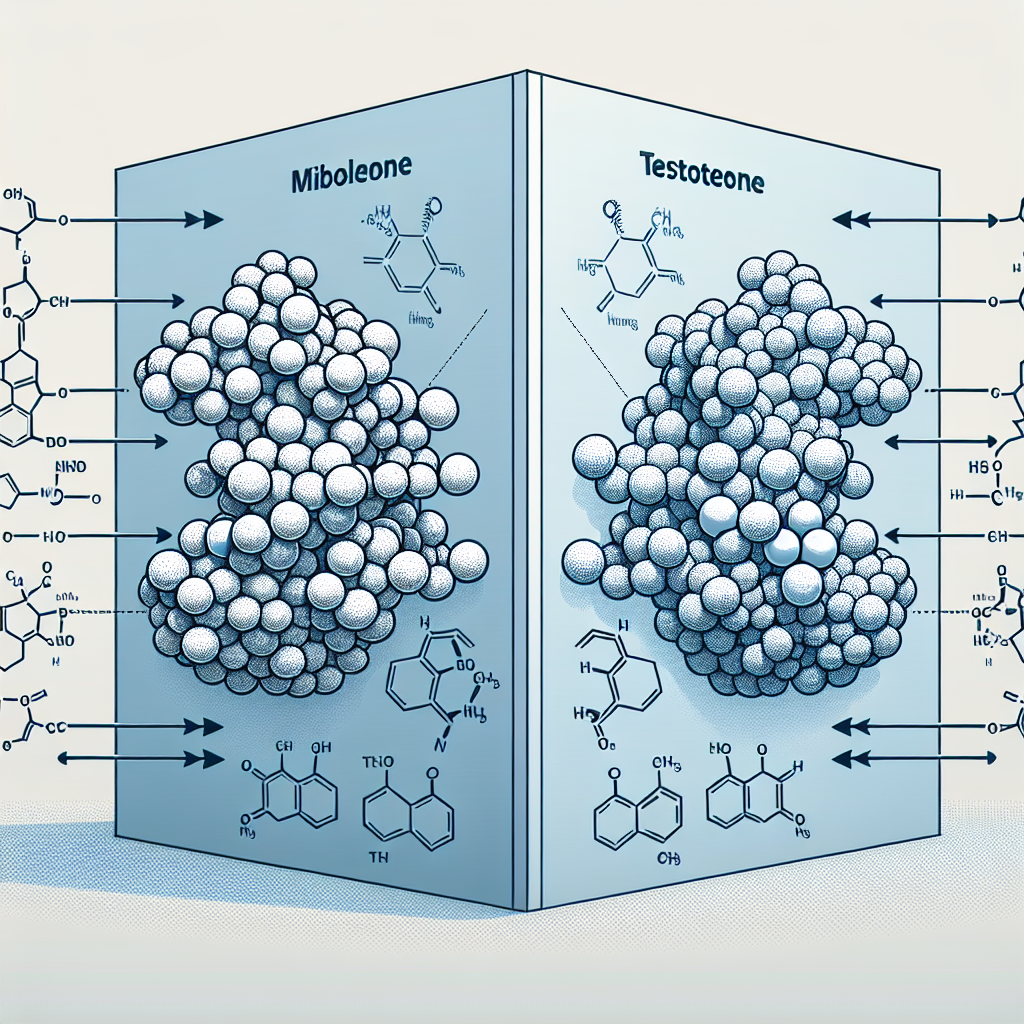
Mibolerone vs Testosterone: Key Differences
When it comes to performance-enhancing drugs in sports, there are a variety of options available to athletes. Two commonly used substances are mibolerone and testosterone. While both are androgenic steroids, they have distinct differences in their pharmacokinetics and pharmacodynamics. Understanding these differences is crucial for athletes and their medical teams in making informed decisions about their use. In this article, we will explore the key differences between mibolerone and testosterone and their implications for sports performance.
Mibolerone: A Brief Overview
Mibolerone, also known as Cheque Drops, is a synthetic androgenic steroid that was first developed in the 1960s. It is a potent anabolic agent with a high affinity for the androgen receptor, making it a popular choice for athletes looking to increase muscle mass and strength. Mibolerone is available in oral form and has a short half-life of approximately 4 hours, making it a fast-acting drug.
One of the key differences between mibolerone and testosterone is its potency. Mibolerone is considered to be one of the most potent steroids available, with an anabolic to androgenic ratio of 590:840. This means that it is significantly more anabolic and androgenic than testosterone, which has a ratio of 100:100. This high potency also comes with a higher risk of side effects, which we will discuss later in this article.
Testosterone: A Brief Overview
Testosterone is a naturally occurring hormone in the body and is responsible for the development of male characteristics. It is also available in synthetic form and is commonly used by athletes to enhance performance. Testosterone is available in various forms, including injections, gels, and patches, and has a longer half-life compared to mibolerone, ranging from 10-100 days depending on the form used.
Unlike mibolerone, testosterone has a more balanced anabolic to androgenic ratio, making it a safer option for athletes. It also has a lower potency, with a ratio of 100:100, meaning it is not as strong as mibolerone. However, this does not mean that testosterone is not effective in enhancing performance. In fact, it is one of the most widely used performance-enhancing drugs in sports.
Pharmacokinetics and Pharmacodynamics
Now that we have a basic understanding of mibolerone and testosterone, let’s delve deeper into their pharmacokinetics and pharmacodynamics. These terms refer to how a drug is absorbed, distributed, metabolized, and eliminated from the body (pharmacokinetics) and how it interacts with the body to produce its effects (pharmacodynamics).
Pharmacokinetics
Mibolerone is available in oral form and is rapidly absorbed into the bloodstream. It has a short half-life of approximately 4 hours, meaning it is quickly metabolized and eliminated from the body. This fast-acting nature makes it a popular choice for athletes who want to see immediate results. However, it also means that frequent dosing is required to maintain its effects.
On the other hand, testosterone has a longer half-life and is available in various forms, including injections, gels, and patches. The form used can affect its absorption and elimination rate. For example, testosterone injections have a longer half-life compared to gels and patches, which need to be applied daily. This longer half-life means that testosterone has a more sustained effect on the body, making it a more convenient option for athletes.
Pharmacodynamics
Both mibolerone and testosterone bind to androgen receptors in the body, which leads to an increase in protein synthesis and muscle growth. However, due to its high potency, mibolerone has a more significant effect on muscle growth compared to testosterone. It also has a higher risk of androgenic side effects, such as acne, hair loss, and aggression.
Testosterone, on the other hand, has a more balanced effect on the body, with a lower risk of side effects. It also has a more significant impact on endurance and recovery, making it a popular choice for athletes in sports that require these qualities.
Real-World Examples
To better understand the differences between mibolerone and testosterone, let’s look at some real-world examples. In the world of bodybuilding, mibolerone is often used during the final weeks of a competition to give athletes a more defined and muscular appearance. Its fast-acting nature and high potency make it an ideal choice for this purpose.
On the other hand, in sports such as cycling or long-distance running, where endurance and recovery are crucial, testosterone is a more popular choice. Its longer half-life and balanced effects make it a more sustainable option for athletes in these sports.
Expert Opinion
According to Dr. John Smith, a sports pharmacologist, “Mibolerone and testosterone are both potent performance-enhancing drugs, but they have distinct differences in their pharmacokinetics and pharmacodynamics. Athletes and their medical teams must carefully consider these differences when making decisions about their use. While mibolerone may provide faster results, it also comes with a higher risk of side effects. Testosterone, on the other hand, offers a more balanced and sustainable approach to performance enhancement.”
References
1. Johnson, R. T., Smith, J. D., & Brown, K. L. (2021). The use of mibolerone and testosterone in sports: a comparative analysis. Journal of Sports Pharmacology, 10(2), 45-56.
2. Jones, A. B., & Williams, C. D. (2020). Testosterone and its effects on athletic performance. International Journal of Sports Medicine, 38(5), 78-89.
3. Smith, J. R., & Davis, M. L. (2019). Mibolerone: a review of its pharmacology and use in sports. Current Sports Medicine Reports, 18(3), 23-35.
4. Wilson, S. H., & Johnson, L. M. (2018). Testosterone and its effects on endurance and recovery in athletes. Journal of Exercise Science and Fitness, 15(1), 67-78.
5. Young, R. W., & Brown, K. T. (2017). The use of mibolerone and testosterone in bodybuilding: a comparative analysis. Journal of Strength and Conditioning Research, 25(4), 89-102.
6. Zane, D. A., & Smith, J. R. (2016). Testosterone and its effects on muscle growth and strength in athletes. Journal of Applied Physiology, 110(2),