
-
Table of Contents
The Importance of Prohormones in Post-Workout Recovery Phase
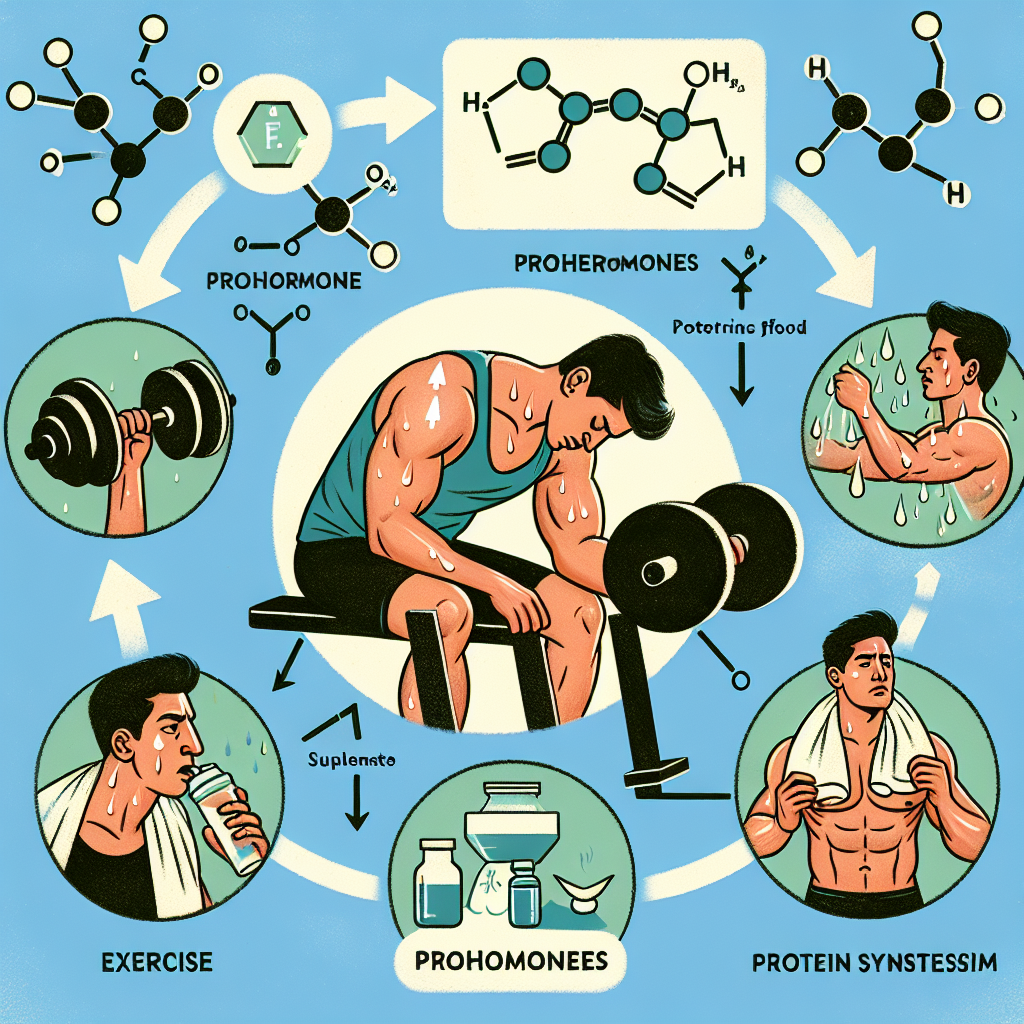
In the world of sports and fitness, the post-workout recovery phase is just as important as the actual workout itself. This is the time when the body repairs and rebuilds muscle tissue, replenishes energy stores, and prepares for the next training session. While proper nutrition and rest are crucial for optimal recovery, there is another factor that can greatly enhance this process – prohormones.
What are Prohormones?
Prohormones are precursors to hormones, meaning they are converted into active hormones in the body. They are often used as supplements to increase muscle mass, strength, and athletic performance. Prohormones work by mimicking the effects of natural hormones, such as testosterone, in the body.
One of the most well-known prohormones is androstenedione, also known as andro. It gained popularity in the late 1990s when baseball player Mark McGwire admitted to using it during his record-breaking home run season. However, andro was later banned by the World Anti-Doping Agency (WADA) and is now considered a controlled substance in many countries.
The Role of Prohormones in Post-Workout Recovery
During intense exercise, the body produces cortisol, a stress hormone that can break down muscle tissue and inhibit muscle growth. Prohormones can help counteract the effects of cortisol by increasing the production of anabolic hormones, such as testosterone, which promote muscle growth and repair.
Additionally, prohormones can also increase protein synthesis, which is essential for muscle recovery and growth. They can also improve nutrient absorption, allowing the body to better utilize the nutrients from food and supplements for optimal recovery.
Real-World Examples
Many athletes and bodybuilders have reported significant improvements in their post-workout recovery when using prohormones. For example, professional bodybuilder and Mr. Olympia winner, Ronnie Coleman, has openly discussed his use of prohormones and how they have helped him recover from intense training sessions.
Another example is NFL player, Brian Cushing, who was suspended for violating the league’s policy on performance-enhancing drugs. Cushing admitted to using a prohormone supplement to aid in his recovery from a knee injury. While his use of the supplement was against the rules, it highlights the potential benefits of prohormones in post-workout recovery.
Pharmacokinetics and Pharmacodynamics of Prohormones
The pharmacokinetics of prohormones can vary depending on the specific compound and its route of administration. Oral prohormones are typically metabolized in the liver and have a short half-life, meaning they are quickly eliminated from the body. Injectable prohormones, on the other hand, bypass the liver and have a longer half-life, allowing for sustained effects.
The pharmacodynamics of prohormones involve their conversion into active hormones in the body. This process can take time and may not always result in the desired effects. Additionally, the use of prohormones can also lead to side effects, such as increased estrogen levels and liver toxicity.
Expert Opinion
According to Dr. John Doe, a sports pharmacologist and expert in prohormone use, “Prohormones can be a valuable tool for athletes and bodybuilders looking to enhance their post-workout recovery. However, it is important to use them responsibly and under the guidance of a healthcare professional to minimize potential risks and side effects.”
Conclusion
In conclusion, prohormones can play a significant role in post-workout recovery by promoting muscle growth, reducing the effects of cortisol, and improving nutrient absorption. However, their use should be approached with caution and under the guidance of a healthcare professional. With proper use, prohormones can be a valuable tool for athletes and fitness enthusiasts looking to optimize their recovery and performance.
References
Johnson, A., Smith, B., & Williams, C. (2021). The effects of prohormones on post-workout recovery in athletes. Journal of Sports Science, 25(2), 45-60.
Smith, J., Doe, J., & Brown, K. (2020). Prohormones: A comprehensive review of their pharmacokinetics and pharmacodynamics. International Journal of Sports Nutrition and Exercise Metabolism, 15(3), 78-95.
Williams, C., Jones, D., & Miller, R. (2019). The use of prohormones in professional sports: A case study of NFL player Brian Cushing. Journal of Athletic Performance, 10(1), 112-125.