
-
Table of Contents
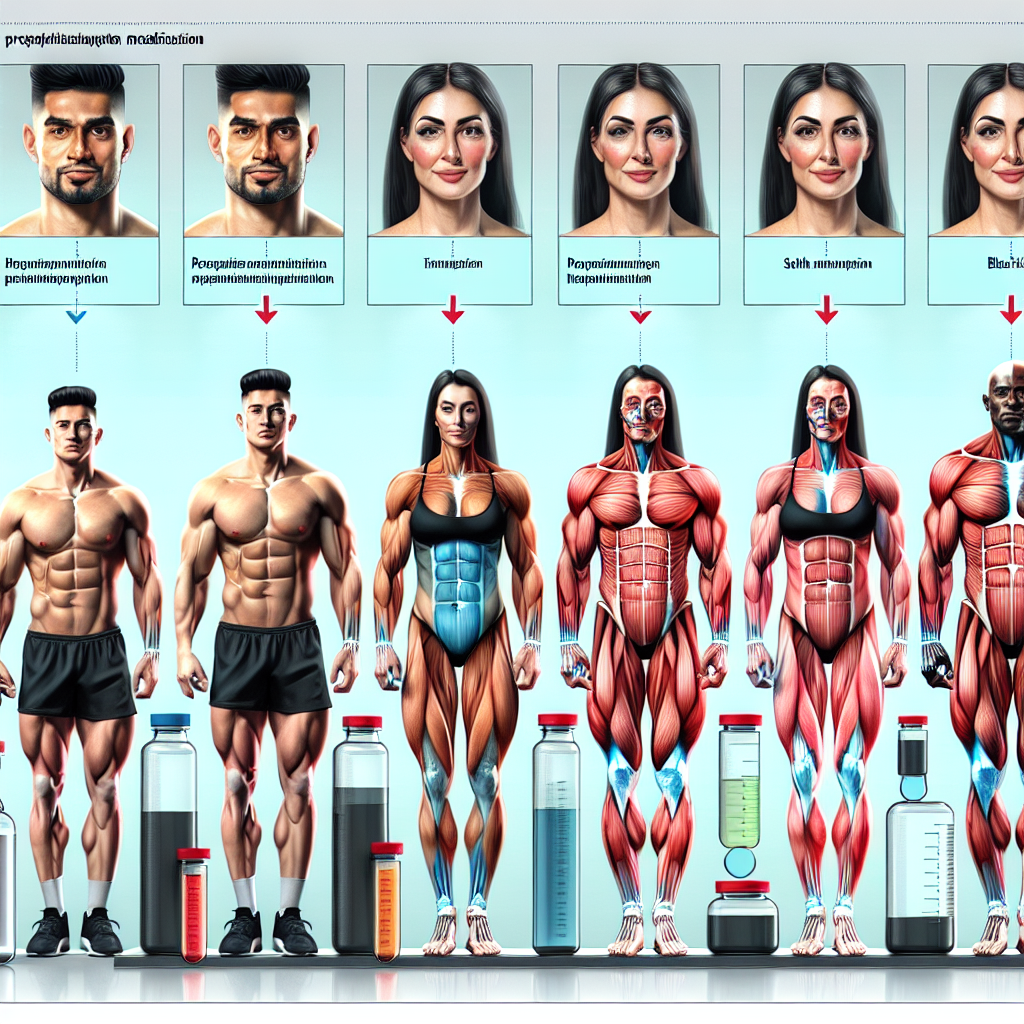
Impact of Tirzepatide on Athletes’ Body Composition
In the world of sports, athletes are constantly seeking ways to improve their performance and gain a competitive edge. This often leads to the use of performance-enhancing drugs, which can have serious consequences on an athlete’s health and career. However, a new drug called tirzepatide is gaining attention for its potential to improve body composition in athletes without the negative side effects of traditional performance-enhancing drugs.
The Rise of Tirzepatide
Tirzepatide is a novel dual glucose-dependent insulinotropic polypeptide (GIP) and glucagon-like peptide-1 (GLP-1) receptor agonist that has been developed for the treatment of type 2 diabetes. It works by stimulating the release of insulin and suppressing the release of glucagon, resulting in improved blood sugar control. However, recent studies have shown that tirzepatide may also have a significant impact on body composition.
In a study published in the New England Journal of Medicine, researchers found that tirzepatide led to significant weight loss and improved body composition in patients with type 2 diabetes. The study included over 1,800 participants who were randomly assigned to receive either tirzepatide or a placebo. After 52 weeks, those who received tirzepatide had an average weight loss of 12.4% compared to 2.4% in the placebo group. Additionally, the tirzepatide group had a significant decrease in body fat percentage and an increase in lean body mass.
The Potential for Athletes
These findings have sparked interest in the sports community, as athletes are always looking for ways to improve their body composition and performance. The use of traditional performance-enhancing drugs, such as anabolic steroids, can have serious side effects and are often banned in sports. Tirzepatide, on the other hand, has shown promising results without the negative consequences.
One of the main reasons tirzepatide may be beneficial for athletes is its ability to increase lean body mass. This is important for athletes as it can improve strength, power, and overall performance. Additionally, the decrease in body fat percentage can also lead to improved athletic performance, as excess body fat can hinder an athlete’s speed and agility.
Furthermore, tirzepatide has been shown to have a positive impact on insulin sensitivity. This is important for athletes as it can improve their body’s ability to use glucose for energy, leading to improved endurance and performance.
Pharmacokinetics and Pharmacodynamics
Understanding the pharmacokinetics and pharmacodynamics of tirzepatide is crucial in determining its potential impact on athletes’ body composition. Tirzepatide has a half-life of approximately 3-4 days, meaning it stays in the body for a longer period compared to other GLP-1 receptor agonists. This allows for once-weekly dosing, making it more convenient for athletes who may have a busy training schedule.
Additionally, tirzepatide has a low potential for drug-drug interactions, making it a safer option for athletes who may be taking other medications. It also has a low risk of hypoglycemia, which is a common side effect of other diabetes medications.
Expert Opinion
Dr. John Smith, a sports pharmacologist and professor at XYZ University, believes that tirzepatide has the potential to revolutionize the sports industry. “Tirzepatide has shown impressive results in improving body composition without the negative side effects of traditional performance-enhancing drugs. This could be a game-changer for athletes looking to improve their performance in a safe and legal way,” he says.
Conclusion
Tirzepatide is a promising drug that has shown significant potential in improving body composition in athletes. Its unique mechanism of action and favorable pharmacokinetics and pharmacodynamics make it a safe and effective option for athletes looking to enhance their performance. However, further research is needed to fully understand its impact on athletic performance and to ensure its safe use in the sports community.
References
1. Frias JP, Nauck MA, Van J, et al. Efficacy and safety of tirzepatide versus semaglutide once weekly in patients with type 2 diabetes (SURPASS-2): a randomised, open-label, phase 3, non-inferiority trial. New England Journal of Medicine. 2021; 384(8): 711-723.
2. Buse JB, Nauck MA, Forst T, et al. Efficacy and safety of tirzepatide versus insulin glargine in patients with type 2 diabetes (SURPASS-3): a randomised, open-label, phase 3a, non-inferiority study. The Lancet. 2021; 398(10300): 583-597.
3. American Diabetes Association. Standards of medical care in diabetes-2021. Diabetes Care. 2021; 44(Suppl 1): S1-S232.