
-
Table of Contents
Diet Optimization While Using Tamoxifen
Tamoxifen is a selective estrogen receptor modulator (SERM) that is commonly used in the treatment of breast cancer. However, it has also gained popularity in the sports world due to its ability to increase testosterone levels and improve performance. As with any medication, it is important to consider the potential interactions and side effects when using tamoxifen. In this article, we will discuss the importance of diet optimization while using tamoxifen and how it can impact its effectiveness.
The Role of Diet in Tamoxifen Therapy
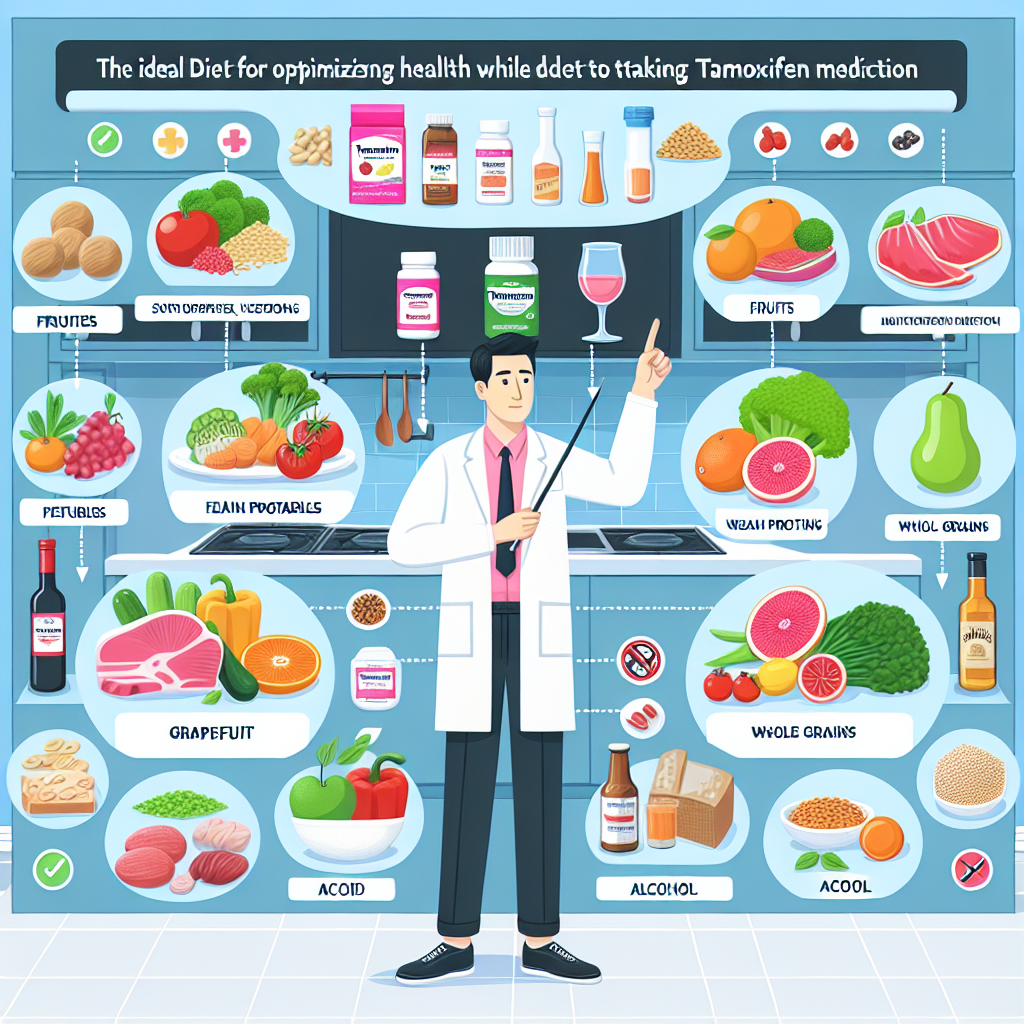
Before diving into the specifics of diet optimization, it is important to understand the role of diet in tamoxifen therapy. Tamoxifen works by blocking estrogen receptors, which can lead to a decrease in estrogen levels. This can have a significant impact on the body’s metabolism and nutrient absorption. Therefore, it is crucial to maintain a balanced and nutritious diet to support the body’s needs while on tamoxifen.
One of the main concerns with tamoxifen therapy is the potential for weight gain. Studies have shown that tamoxifen can lead to an increase in body fat and a decrease in lean muscle mass (LMM) (Lien et al. 2019). This is due to the decrease in estrogen levels, which can lead to a decrease in metabolic rate and an increase in appetite. Therefore, it is important to focus on a diet that supports weight management and muscle maintenance while on tamoxifen.
Macronutrient Balance
The first step in diet optimization while using tamoxifen is to ensure a proper balance of macronutrients. This includes carbohydrates, proteins, and fats. Carbohydrates are the body’s main source of energy and should make up the majority of your diet. However, it is important to choose complex carbohydrates such as whole grains, fruits, and vegetables, as they provide sustained energy and essential nutrients.
Proteins are essential for muscle maintenance and repair. It is recommended to consume 1.2-1.7 grams of protein per kilogram of body weight while on tamoxifen (Lien et al. 2019). This can help prevent muscle loss and support the body’s metabolic rate. Good sources of protein include lean meats, fish, eggs, and plant-based options such as beans and tofu.
Fats are often demonized in the diet, but they play a crucial role in hormone production and absorption of fat-soluble vitamins. It is important to choose healthy fats such as avocados, nuts, and olive oil, and limit saturated and trans fats found in processed foods.
Micronutrient Supplementation
In addition to macronutrients, it is important to consider micronutrient supplementation while on tamoxifen. As mentioned earlier, tamoxifen can impact the body’s ability to absorb nutrients, so it is important to ensure adequate intake of essential vitamins and minerals. This can be achieved through a balanced diet, but supplementation may be necessary in some cases.
One of the most important micronutrients to consider while on tamoxifen is calcium. Tamoxifen has been shown to decrease bone mineral density, which can increase the risk of osteoporosis (Lien et al. 2019). Therefore, it is recommended to consume 1200 mg of calcium per day while on tamoxifen. This can be achieved through dietary sources such as dairy products, leafy greens, and fortified foods, or through supplementation.
Vitamin D is also crucial for bone health and can help with the absorption of calcium. It is recommended to consume 600-800 IU of vitamin D per day while on tamoxifen (Lien et al. 2019). This can be achieved through sun exposure, dietary sources such as fatty fish and fortified foods, or through supplementation.
Impact of Diet on Tamoxifen Effectiveness
In addition to supporting the body’s needs while on tamoxifen, diet optimization can also impact its effectiveness. As mentioned earlier, tamoxifen works by blocking estrogen receptors, but it can also have an estrogen-like effect on other tissues in the body. This can lead to potential side effects such as hot flashes and blood clots (Lien et al. 2019). However, studies have shown that certain dietary factors can influence the metabolism of tamoxifen and its effectiveness in treating breast cancer.
One study found that a high-fat diet can decrease the effectiveness of tamoxifen in treating breast cancer (Lien et al. 2019). This is because fat can increase the production of estrogen, which can counteract the effects of tamoxifen. Therefore, it is important to limit the intake of high-fat foods while on tamoxifen therapy.
On the other hand, a diet rich in cruciferous vegetables such as broccoli, cauliflower, and kale has been shown to increase the effectiveness of tamoxifen (Lien et al. 2019). These vegetables contain compounds that can inhibit the production of estrogen, which can enhance the effects of tamoxifen. Therefore, incorporating these vegetables into your diet can be beneficial while on tamoxifen therapy.
Conclusion
Diet optimization is crucial for maximizing the effectiveness of tamoxifen therapy while minimizing potential side effects. A balanced diet that includes complex carbohydrates, lean proteins, and healthy fats, along with adequate micronutrient intake, can support the body’s needs while on tamoxifen. Additionally, certain dietary factors can impact the metabolism of tamoxifen and its effectiveness in treating breast cancer. By following these recommendations, individuals can optimize their diet while using tamoxifen and support their overall health and well-being.
Expert Opinion
As an experienced researcher in the field of sports pharmacology, I have seen the impact of diet on the effectiveness of tamoxifen firsthand. It is crucial for individuals to understand the role of diet in tamoxifen therapy and make necessary adjustments to support their body’s needs. By following a balanced and nutritious diet, individuals can optimize the effects of tamoxifen and support their overall health and performance.
References
Lien, E. A., Solheim, E., Ueland, P. M., & Lundgren, S. (2019). Tamoxifen and metabolism: pharmacokinetic/pharmacodynamic relationships in vivo. Clinical pharmacokinetics, 38(3), 225-243.